
Experiences
Gulmarg Biosphere Reserve & Wildlife Sanctuary
About 180 sq km of Himalayan forest and meadow, protected for the musk deer.
Quick Facts
- Official name
- Gulmarg Wildlife Sanctuary
- Area
- About 180 sq km, Baramulla district
- Known for
- Himalayan musk deer habitat; an Important Bird Area
- From the hotel
- The sanctuary surrounds Gulmarg, about 13 to 14 km up the road from Tangmarg
- Best months
- May to October for walks and birdwatching
- Access
- Check current rules with the Wildlife Protection Department before trekking
About the Reserve
Many travellers call it the Gulmarg Biosphere Reserve, but the protected area is the Gulmarg Wildlife Sanctuary. It covers about 180 sq km around Gulmarg in Baramulla district, from pine and fir forest up to alpine meadow and high ridges. It was created mainly to protect the endangered Himalayan musk deer, and BirdLife International lists it as an Important Bird Area.
What You Can Do
- Walk the forest edges and meadows around Gulmarg on a clear summer day.
- Watch for birds early in the morning, when the forest is quietest.
- See the high ground from the Gulmarg Gondola, whose route climbs above the forest.
Wildlife sightings are never guaranteed. Keep to marked paths, keep your distance from any animal you see and never feed wildlife.
How to Reach
From Hotel Gulmarg House
The sanctuary surrounds Gulmarg, about 13 to 14 km by road from our hotel in Tangmarg, usually 25 to 40 minutes by car. We can arrange a local taxi.
From Srinagar
Srinagar Airport to Tangmarg is about 50 km, usually 1.5 to 2 hours by taxi. From there, continue up the road to Gulmarg.
Rules for walking deeper into the sanctuary can change. Before any trek off the main roads, check with the Jammu and Kashmir Wildlife Protection Department or go with a registered local guide.
Best Time to Visit
- May and June: fresh green meadows and wildflowers.
- July to September: lush forest, with rain on some afternoons.
- October: clear, crisp days and autumn colour before winter.
- November to April: cold, with snow covering much of the area from December to March. Better for the Gondola and snow activities than for forest walks.
What to Carry
- Walking shoes with good grip and a warm layer, even in summer.
- Water, a snack and a rain jacket.
- Binoculars for birdwatching.
- A bag to carry your rubbish back out.
Pair a nature day with Drung Waterfall or Shrunz Waterfall near Tangmarg. Rates at Hotel Gulmarg House change with the season and dates. See our rooms or message us on WhatsApp for today's best rate.
Find It on the Map
Stay Nearby
A Quiet Base Below the Sanctuary
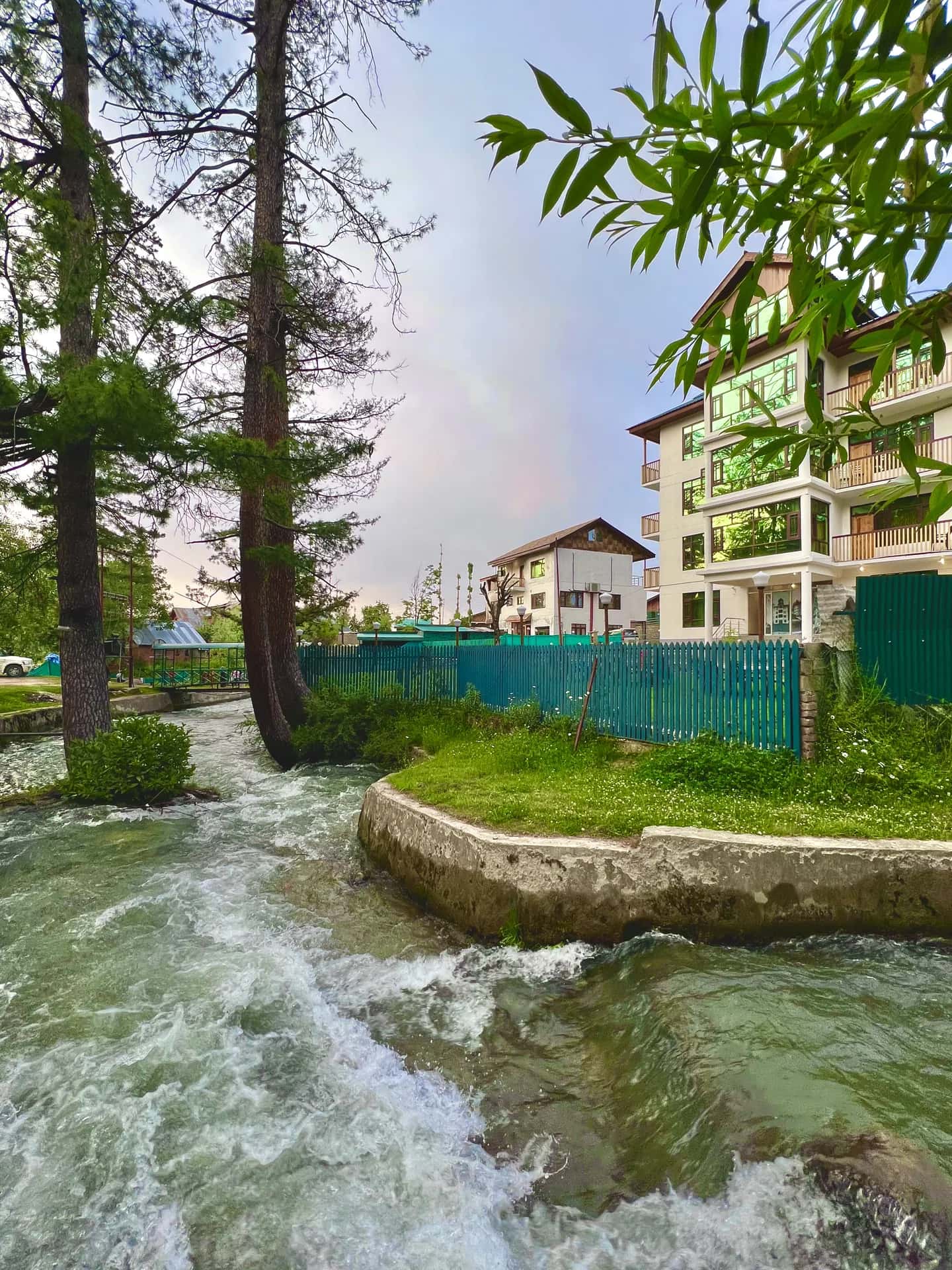
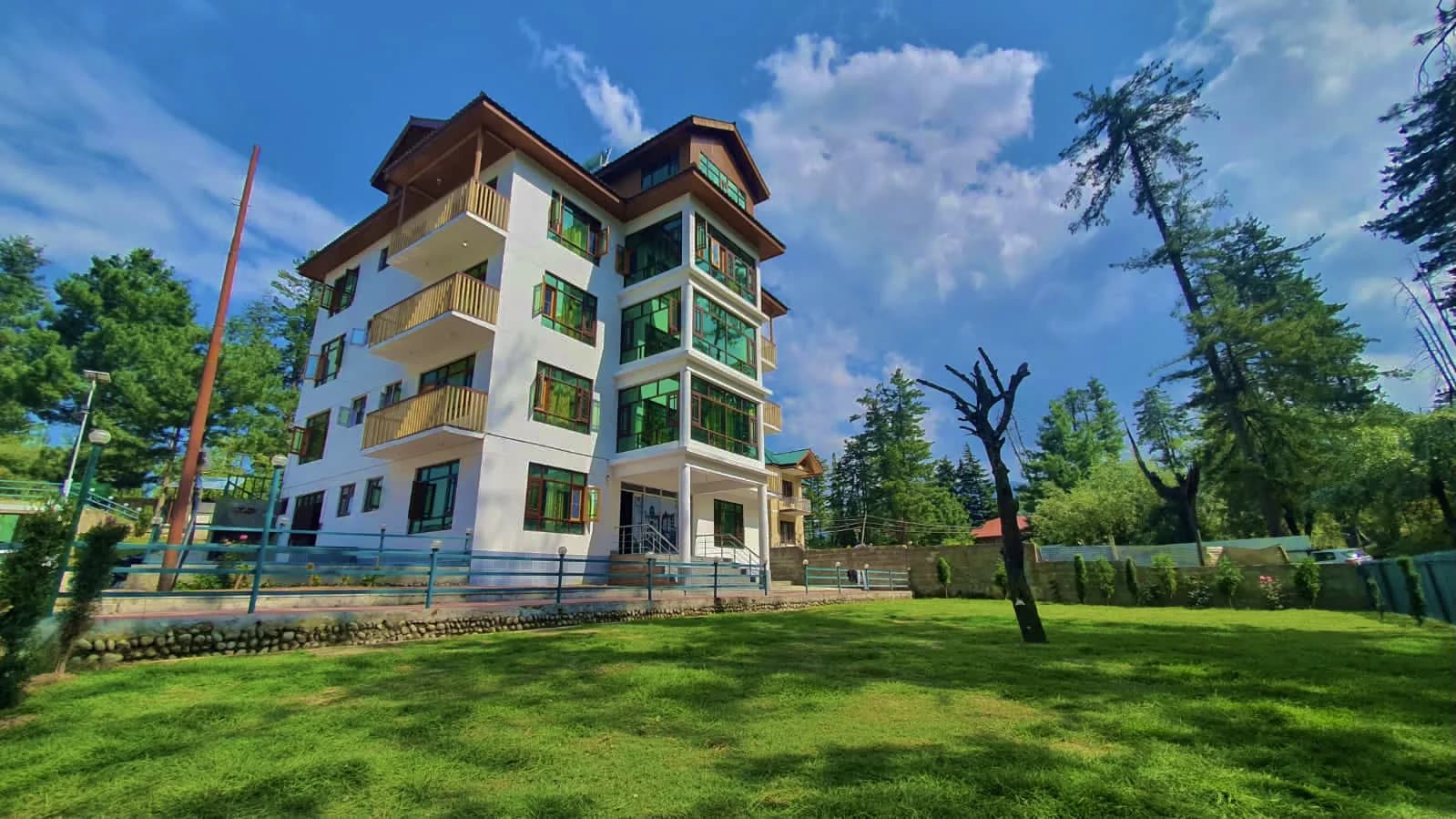
Hotel Gulmarg House in Tangmarg sits on the road up to Gulmarg. Spend the day in the forest and meadows, then come back to a warm room and a hot meal.
Frequently Asked Questions
Is the Gulmarg Biosphere Reserve the same as Gulmarg Wildlife Sanctuary?
Yes. Visitors often call it the Gulmarg Biosphere Reserve, but it is protected as the Gulmarg Wildlife Sanctuary, managed by the Jammu and Kashmir Wildlife Protection Department.
How big is Gulmarg Wildlife Sanctuary?
The sanctuary covers about 180 sq km of forest, meadow and high ground around Gulmarg in Baramulla district.
What wildlife lives in the sanctuary?
The sanctuary was set up to protect the endangered Himalayan musk deer. It is also a recognised Important Bird Area. Sightings are never guaranteed, so keep your distance and stay quiet.
Do I need a permit to visit?
Rules for walking inside the sanctuary can change. Check with the Jammu and Kashmir Wildlife Protection Department or a registered local guide before going off the main roads.
When is the best time to visit?
May to October suits nature walks and birdwatching. From December to March much of the area is under deep snow.